Before you give someone your Google Ads budget, find out how they make decisions with it.
A polished proposal can tell you what someone wants to sell. A few direct questions can tell you who will manage the account, how they define a good result, and what happens when performance gets uncomfortable.
I'm Bradley Zeller. When I talk with a business about Google Ads management, I want that conversation to get specific. Your margins, sales process, tracking, and existing account matter more than a generic promise to scale.
Use these questions before signing an agreement. Ask for examples, keep notes, and make sure the answers show up in the scope of work.
1. Who will actually manage my account?
Ask who reviews search terms, makes budget decisions, writes ads, and checks conversion tracking. Then ask whether that person will be on your calls.
A team can work well. So can an independent specialist. What matters is knowing who owns the work and how decisions reach the person doing it.
A useful answer: A named person, clear responsibilities, and an explanation of who covers the account when that person is unavailable.
Ask next: “Can I meet the person who will manage this before we sign?” At Zeller Media, strategy and execution stay with me. That should be clear before we discuss a start date.
2. Will I retain control of the account and its history?
Your business should retain administrative control of its advertising account and the measurement systems it relies on. Ask who controls billing, analytics, tag management, landing pages, and any reporting connections.
Have the specialist explain how access is granted and what remains available if the engagement ends. If work includes new pages or creative, clarify ownership and handoff in writing.
A useful answer: A straightforward access plan and a documented exit process. You should be able to change providers without losing the history needed to understand your business.
3. What would you count as a successful conversion?
“More conversions” is incomplete. A page visit, a form submission, a qualified opportunity, and a sale tell you different things.
Ask which actions the campaigns would optimize toward and how those actions are validated. Google distinguishes between primary and secondary conversion actions; the campaign's goal settings determine what is used for bidding, with an exception for actions included in custom goals. Your specialist should be able to explain the actual setup in plain English.
Ask next: “How will you check that a conversion represents a real business outcome and isn't being counted twice?” Look for a plan to test the journey and reconcile the data, not just confirm that a tag exists.
4. How will you know whether the leads are any good?
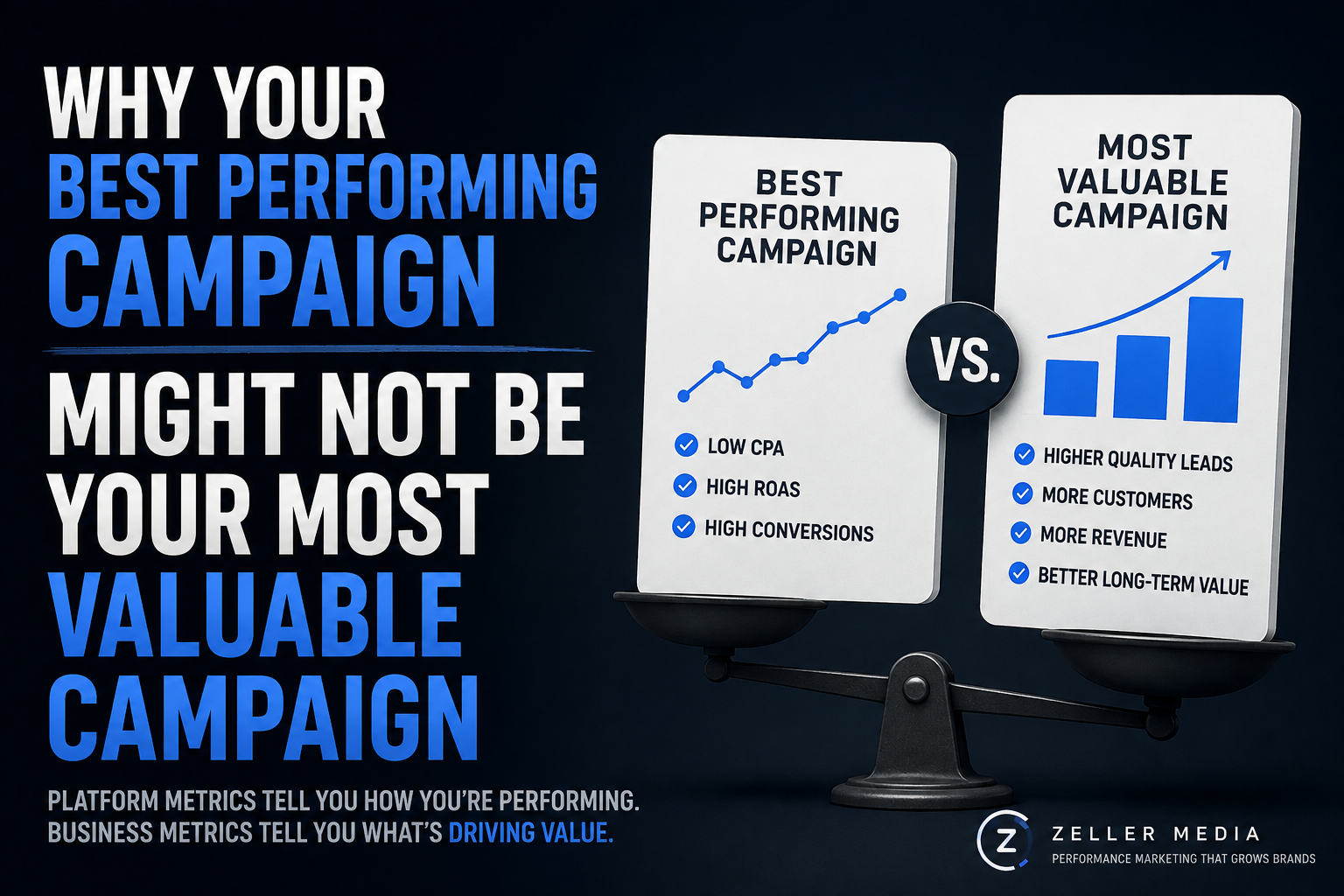
A lower cost per lead can look great while your sales team spends more time sorting through people who will never buy.
Ask how the specialist will connect campaign decisions with lead quality. That might include CRM stages, call outcomes, booked appointments, or a consistent review with your sales team. The right process depends on your business and available data.
A useful answer: An agreed definition of a qualified lead, a person responsible for supplying feedback, and a regular way to use that feedback in campaign decisions.
If you sell products, ask the equivalent question about profit: how will the work account for product margins, returns, and new versus returning customers?
5. Where would the budget go—and why?
A specialist should ask about your economics before proposing a channel mix. How much can you afford to acquire a customer? Which products or services deserve more demand? Can your team handle it?
Search, Shopping, Performance Max, and Demand Gen each need a reason to be in the plan. You do not need every campaign type simply because it is available.
Within Search, ask how the specialist evaluates brand, non-brand, and competitor traffic. A blended result can hide meaningful differences between people already looking for you and people discovering you for the first time.
Ask next: “What would make you move money from one campaign to another?” A strong answer names the evidence required and the limits of the current data.
6. What will you review beyond the campaigns?
The page after the click, the offer, and the sales follow-up all affect whether advertising creates business.
Ask who checks the mobile experience, tests the form, reviews the message between the ad and landing page, and flags friction in the handoff to sales.
A useful answer: Clear ownership. If landing page development or CRM work is outside the engagement, that should be stated along with who needs to handle it. “We only manage the ads” leaves too much unresolved when the problem is somewhere else.
7. What will I learn from your reporting?
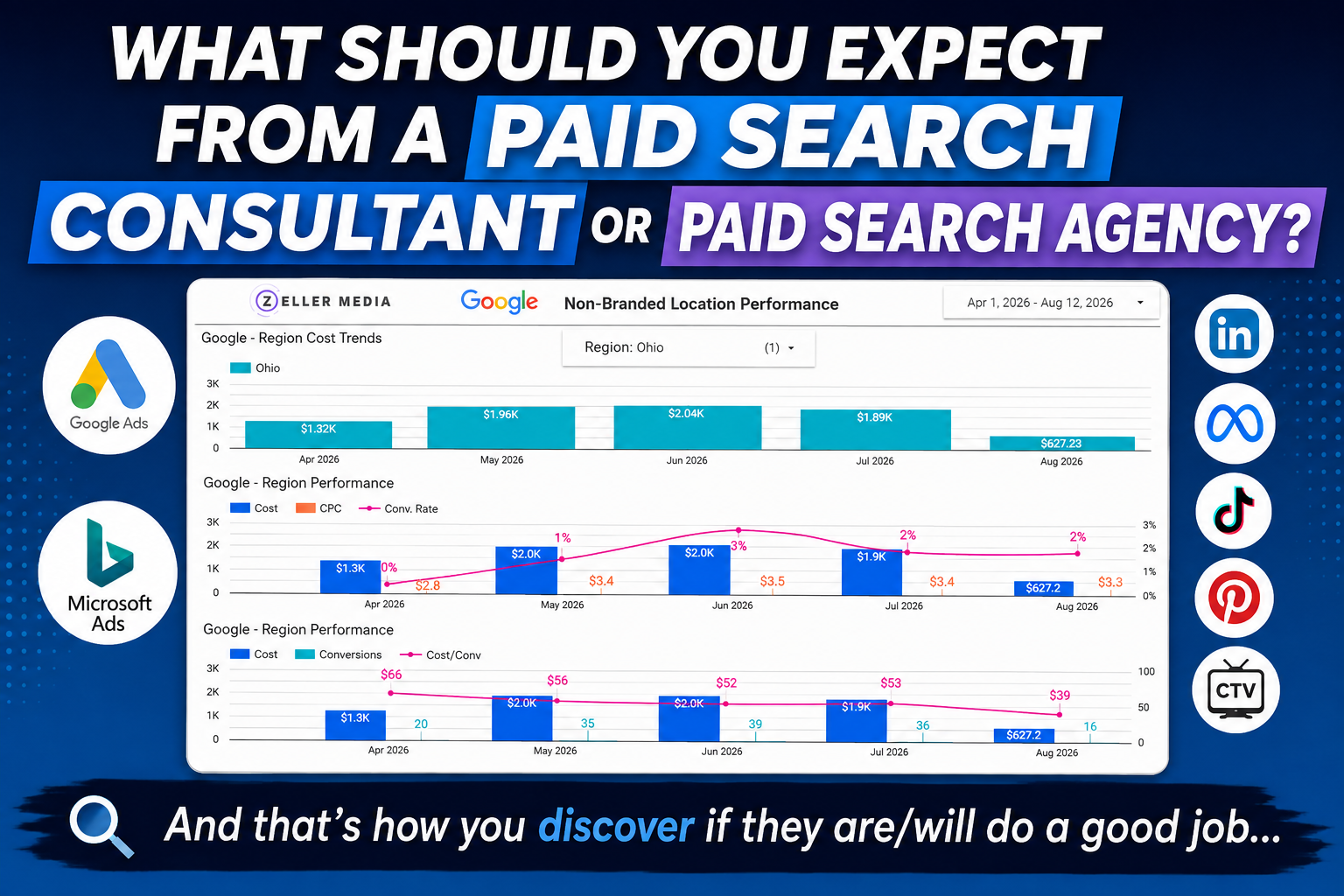
Ask to see an anonymized example or a sample reporting outline. You want to understand what the specialist does with the numbers.
- Where did the money go?
- What business outcomes did it produce?
- What changed, and why?
- What is still uncertain?
- What will happen next?
Reporting should separate observations from explanations. A specialist can show that lead volume dropped without pretending to know the cause before investigating it.
Ask next: “How will you tell me when the account is underperforming?” You want a direct answer, an investigation, and a decision—not a different chart.
8. What am I paying for, and how do we leave?
Get the management fee, ad spend, setup work, third-party costs, and any additional production charges separated in the proposal. Confirm the term, cancellation notice, communication expectations, and responsibilities on both sides.
Ask what changes as your spend grows. A fee structure should be understandable before it becomes expensive.
A useful answer: A written scope that matches the sales conversation, including what is included, what costs extra, and how the handoff works.
Be careful with certainty before anyone has seen the account
A guaranteed result, a fixed promise to double revenue, or an immediate recommendation to rebuild everything deserves scrutiny. A specialist should be comfortable explaining what they need to inspect before making a commitment.
You can expect preparation, clear ownership, and a disciplined process. The auction, your competitors, your offer, and customer behavior still introduce uncertainty.
For a broader view of ongoing work, read what to expect from a paid search consultant.
Bring your business problem to the conversation
You do not need to arrive with the right campaign structure. Bring the problem you need to solve: weak lead quality, rising acquisition costs, a budget you cannot explain, or growth that has stalled.
I will want to understand the business, what has already been tried, and where the current information falls short. That is where a useful Google Ads conversation starts.
Talk with Bradley about your account and what needs to improve.