Paid search advertising can be an effective way to drive traffic and generate leads for your business. However, managing and optimizing paid search campaigns can be time-consuming and complex. That's where AI language models like ChatGPT can come in handy. In this article, we'll explore how to use ChatGPT with paid search and provide some tips and best practices for maximizing your campaigns' effectiveness.
How can ChatGPT be used for paid search?
ChatGPT can be used in various ways to enhance paid search campaigns. Here are some examples:
- Keyword research: One of the most important aspects of paid search is keyword research. ChatGPT can help generate a list of relevant keywords to target in your campaigns. Simply provide some basic information about your business or product, and ChatGPT can suggest keywords and phrases that potential customers may use when searching for similar products or services.
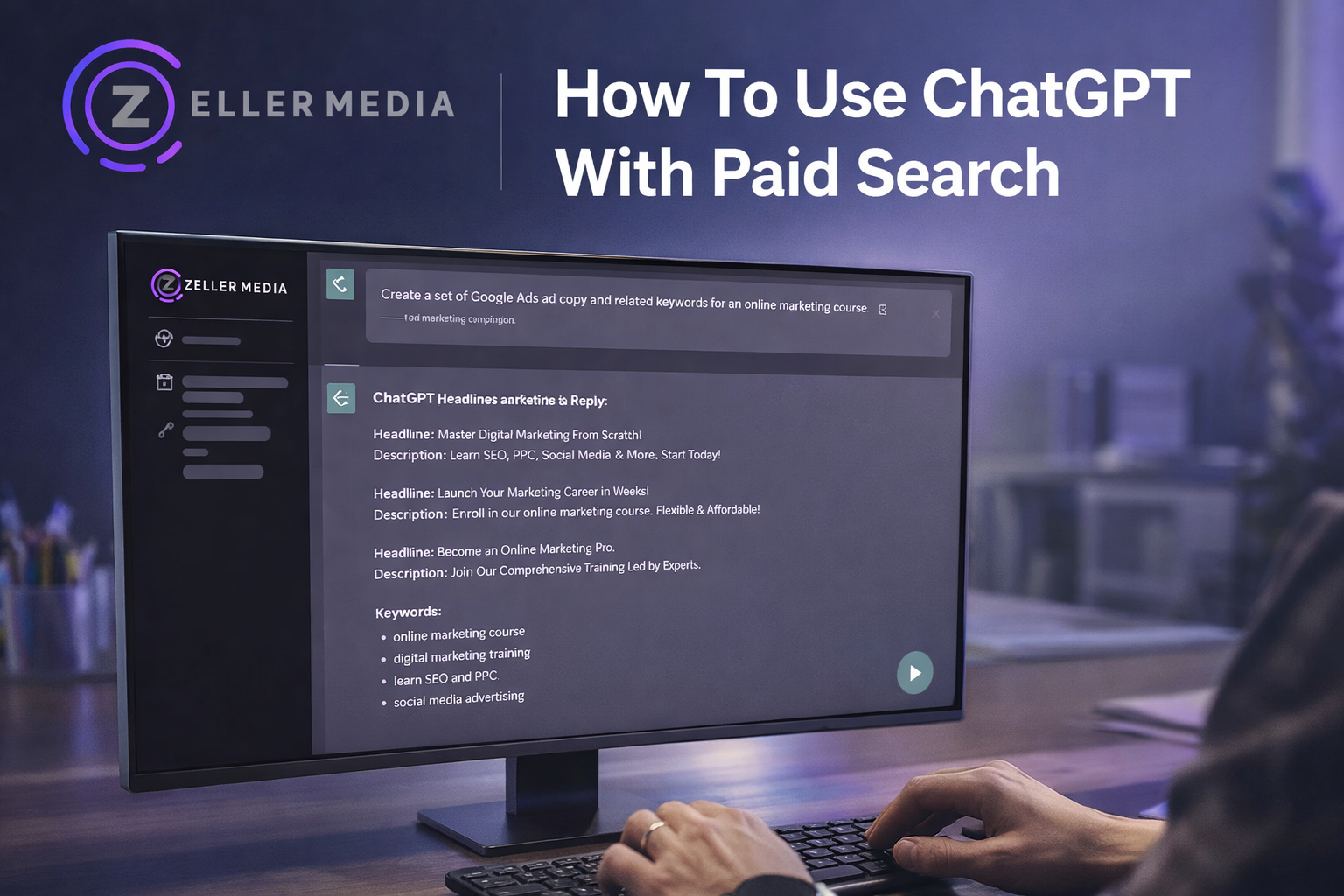
- Ad copywriting: ChatGPT can assist with ad copywriting by generating creative and engaging ad headlines and descriptions. You can provide some basic information about your product or service, and ChatGPT can suggest ad copy that resonates with your target audience.
- Campaign optimization: ChatGPT can provide insights into campaign optimization strategies, such as bidding strategies, ad targeting, and ad scheduling. You can ask ChatGPT questions about how to improve campaign performance and get recommendations on which metrics to monitor.
- Competitive analysis: ChatGPT can help you conduct competitive analysis by generating insights into your competitors' ad copy, targeting strategies, and landing pages. You can ask ChatGPT questions about your competitors and get insights into how to differentiate your ad campaigns.
Tips for using ChatGPT with paid search
Here are some tips and best practices for using ChatGPT with paid search:
- Provide clear instructions: When using ChatGPT, it's important to provide clear and specific instructions. The more information you can provide, the more accurate and relevant the responses from ChatGPT will be.
- Start with simple prompts: If you're new to using ChatGPT, start with simple prompts and gradually work your way up to more complex questions. This will help you get a feel for how ChatGPT works and what it can do.
- Use natural language: ChatGPT is designed to understand and respond to natural language prompts, so it's best to phrase your questions and prompts in a conversational tone.
- Focus on actionable insights: When using ChatGPT for campaign optimization, focus on actionable insights that you can implement to improve your campaigns' performance. Don't get bogged down in irrelevant or unnecessary details.
- Combine with other tools: ChatGPT is just one tool in your marketing toolkit. Consider combining ChatGPT with other tools and platforms, such as Google Ads or Google Analytics, to get a more complete picture of your campaigns' performance.
Examples of using ChatGPT for paid search
Here are some examples of how you can use ChatGPT for paid search:
- Keyword research: To generate keyword ideas for your paid search campaigns, you could ask ChatGPT questions like "What are some relevant keywords for my business?" or "What are some common search terms for my industry?"
- Ad copywriting: To generate ad copy ideas, you could ask ChatGPT questions like "What are some catchy headlines for my ad?" or "How can
Overall, ChatGPT can be a helpful tool for optimizing your paid search campaigns. However, it's important to remember that ChatGPT is an AI language model and may not provide specific or customized advice for your business. It's always a good idea to consult with a paid search expert or conduct your own research before making any major changes to your campaigns. If you read this far, this article was written by ChatGPT.