Google Ads presents a compelling opportunity for estate planning attorneys. These attorneys can scale client attraction efforts without leaving their homes.
Estate planning attorneys want to get in front of prospects who:
- Are interested in their services
- Can afford their services
- Can refer business their way
Google Ads helps you find people who fit all three criteria. However, Google Ads can feel complicated for beginners. It does take a learning curve. We're here to help. Google Ads can help grow your estate planning practice. These top Google strategies will put you on the right track.
1: Use Keywords to Filter Your Audience
Google Ads lets you select keywords to display your services. Effective ad keywords put you in front of qualified leads and avoid low-quality leads. Long-tail keywords present each estate lawyer with low-hanging fruits. Long-tail keywords consist of phrases and cost less than one-word keywords. Only the largest corporations can compete for a keyword like "attorney." These one-word keywords come at hefty price points, which will hurt profitability. You can more easily compete with long-tail keywords.
Lower costs and fewer competitors get you in front of more prospects. Long-tail keywords help you target qualified prospects. However, people may put a negative keyword in that search result. A negative keyword comes from an unqualified prospect. If you market yourself as one of the best estate planning attorneys, you won't be cheap. You don't want prospects to find you with the keyword "cheap estate law attorney." You don't want people typing "cheap" and finding your services.
Google will not display your ad if someone uses a negative keyword. Each estate lawyer must assign negative keywords for their ads. Consider which prospects will not convert. Set negative keywords to keep you away from these prospects.
2: Estate Planning Attorneys Must Use Location Targeting
Estate planning attorneys use location targeting to reach local clients. Many people know the basics about location targeting. You can target people by their country, state, and city. These targeting capabilities let you narrow your search and find more qualified buyers. If you only serve clients in New York City, you don't want San Franciscans seeing your ad. Qualified prospects will look for nearby alternatives. Offering virtual services can expand your reach. You can put your ad spend into less targeted areas.
However, many estate planning attorneys focus on local clients. Searching by cities will refine your search. However, you can go deeper with your estate planning campaign. Advertisers can target people by zip code. You can narrow your targeting to wealthier areas that can afford your services. Before creating an ad, check the median home value of each zip code. This metric gives you a broad idea of the zip code's wealth. Higher home values suggest these prospects have the money for your services.
3: Let the Data Guide Your Keyword Bidding
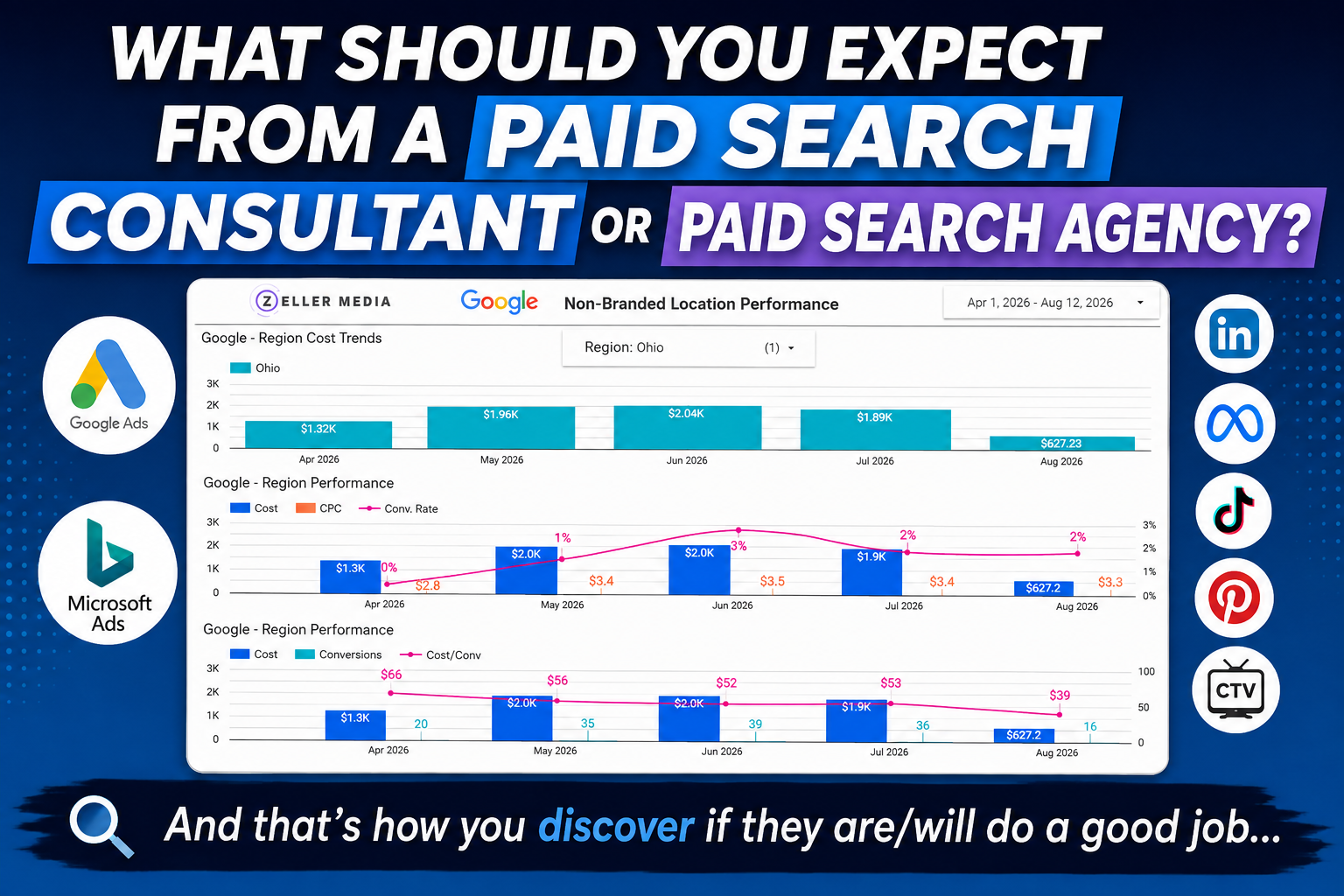
When you create an ad, you can select from many keywords. Each of these keywords puts you in front of more prospects. However, more is not always better. Along the way, some of your keywords will convert poorly. Not every prospect will become a customer. Estate planning attorneys would benefit from monitoring their ads. All of those clicks cost money and bite into your bottom line. You can review many metrics to determine each ad's performance. You should focus on these metrics:
- Clickthrough rate
- Cost per click
- Conversion rate
- Cost per conversion
These metrics inform you of the costs of acquiring prospects and how much you make. If you spend more converting people than you make for your services, your ad is unprofitable. Turn off your unprofitable keywords and focus on your top-performing keywords. Lowering costs will increase your ROI. Most estate planning attorneys can make keyword decisions within two weeks. This timeframe gives you enough data for each keyword. Your ad spend will slightly influence the two-week window. You can make decisions sooner if you spend more on ads.
4: Run A/B Split Tests
A/B split tests allow estate planning attorneys to optimize ad performance. One small tweak can increase your results. Increasing clickthrough rate and lowering cost per click both increase your return. A/B split tests help you achieve those objectives. You can run multiple ads and change a variable for each ad. You can experiment with different targeting, copy, and web pages. The data will reveal a clear winner as these ads get more impressions. Estate planning attorneys should turn off unprofitable ads and focus on top-performing ads. If an ad is profitable, you might as well continue running it. Some profitable ads lose ground over time. Keeping profitable ads running gives you more coverage. However, you should pour most of your money into your top-performing ads.
5: Use a Retargeting Campaign
A retargeting campaign puts your practice in front of lukewarm prospects. These prospects clicked your ad before but did not convert the first time. Since they clicked on your ad, they expressed interest. These prospects viewed your services, but they weren't ready to contact you. These prospects already know you. You will have an easier time converting lukewarm prospects over cold prospects. Retargeting campaigns remind people about your estate planning services. Incorporating them into your Google Ads strategy can help increase your return.
We Help Estate Planning Attorneys Grow with Google Ads
Estate planning attorneys can benefit from Google Ads. These ads help lawyers grow their practices. Many estate planning attorneys stop using ads because they're hard to use. Lawyers need to monitor ads constantly while serving their clients. You also need to know the nuances of setting up an effective ad. The Zeller Media team can assist with your Google Ads. Get in touch with us to see how we can help.