Every major ad platform is now generating creative on your behalf. The question is whether you decided that should happen — or whether it just did. In 2026, Google Ads auto-generates video enhancements, AI voice-overs, and headline variations inside Performance Max campaigns. Meta’s Advantage+ optimizes creative combinations, adjusts image cropping, and rewrites ad copy automatically. TikTok’s ad platform generates creative variations at scale. And all of these features share one thing in common: they are enabled by default. That doesn’t make them bad. It makes them a governance problem. At Zeller Media, we are not anti-automation. We are anti-unquestioned automation. Here’s why the distinction matters and what advertisers should actually do about it.
What the Platforms Are Doing
Let’s be specific about what’s happening. Google’s video enhancement features can now flip, shorten, reformat, and narrate your video assets automatically. The AI voice-over feature pulls from advertiser-provided headlines and descriptions to generate a spoken narration track for silent videos. These are saved as new video assets and served alongside your originals — unless you opt out. Meta’s Advantage+ creative suite automatically adjusts brightness, contrast, aspect ratio, and text overlays on your ad images. It can also generate multiple text variations from your primary copy.
The system tests combinations and serves what it predicts will perform best — again, unless you disable it. TikTok now offers AI-generated video scripts, automated creative remixing, and smart optimization that tests creative variations without advertiser approval. Across every platform, the pattern is the same: your inputs become raw material for machine-generated outputs. The platform makes that call by default. You only retain control if you proactively take it back.
Convenient and brand-safe are not the same thing.
Why This Is a Bigger Deal Than Most Advertisers Think
A voice-over is not just another asset crop. It changes tone, pacing, clarity, and brand feel. A weak narration can make a polished visual look cheap. A generic narration can flatten good creative. The same applies to Meta’s creative optimizations. Automatic image adjustments might improve click-through rate on one metric while making your brand look inconsistent across placements. Automated text variations might generate copy that’s technically functional but doesn’t match your brand voice, your offer positioning, or your compliance requirements.
For advertisers in regulated industries — financial services, healthcare, legal — this is especially dangerous. An AI-generated headline variation that changes a claim, a qualifier, or a disclosure can create compliance risk that no algorithm understands. And here’s the part nobody talks about: you might not even know it’s happening. These variations are often served without appearing in your standard creative reports. Unless you specifically audit enhancement settings and review asset-level performance, AI-generated versions of your ads can run for weeks or months without anyone on your team ever seeing them.
The system may create a new eligible asset, but eligibility is not the same thing as quality.
The Bigger Pattern Advertisers Should Notice
Google, Meta, and TikTok have all spent the last two years normalizing AI-generated variation inside ad accounts. This isn’t a one-time feature launch. It’s a directional shift in how platforms think about creative. The old model: advertisers produce creative, upload it, and the platform distributes it. The new model: advertisers provide inputs (images, copy, video), and the platform generates new versions of those inputs at scale, optimizes delivery across them, and serves whatever combination it predicts will perform best.
That is a fundamental change in the relationship between advertiser and platform. And most advertisers are evaluating each individual feature in isolation instead of looking at the direction of travel. The direction is clear: less manual production, more platform-generated creative, more default-on automation, and more responsibility on advertisers to opt out when they want tighter control. That does not automatically make the features bad. It does mean advertisers need to stop pretending these are minor UI updates.
They are workflow changes. Treat them accordingly.
When AI Creative Actually Helps
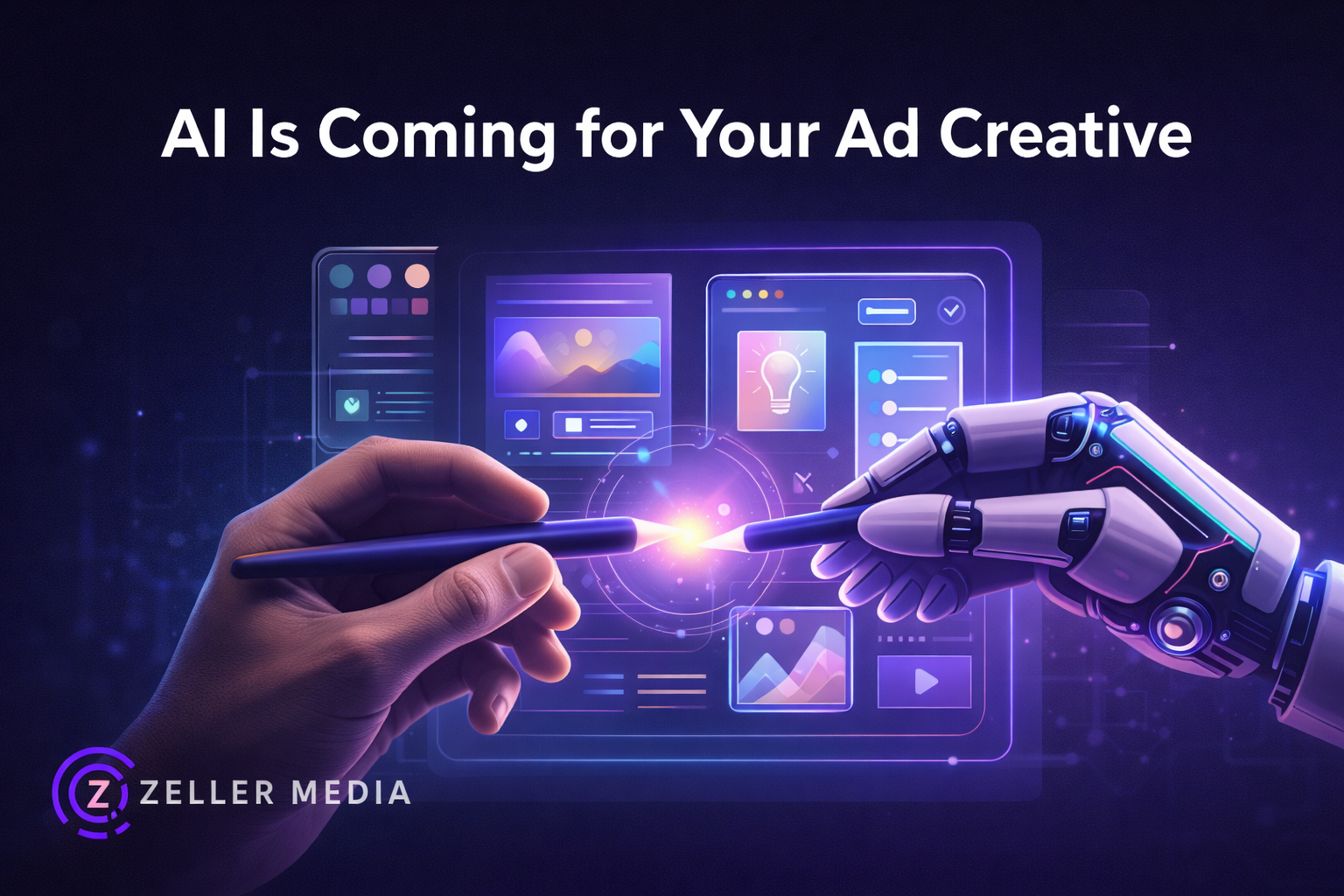
To be fair, there are real use cases where AI-generated creative improves performance. For advertisers with limited creative resources — small teams, low production budgets, sparse asset libraries — AI-generated variations can fill gaps that would otherwise leave campaigns underperforming. A silent video with an AI-generated narration track may genuinely outperform the same silent video alone. An automated image adjustment might improve a poorly formatted asset for mobile placements. For paid social campaigns where creative volume is essential, AI-generated variations can accelerate testing cycles.
Instead of producing 20 variations manually, you produce 5 and let the platform generate 15 more. If the framework is sound — strong offer, clear messaging, consistent brand elements — the variations may perform well. The key word is “framework.” AI-generated creative works when it operates inside boundaries that humans define. It fails when it operates in the absence of those boundaries. Better than nothing is a real benefit. But it’s a low bar. And it’s not a strategy.
What Advertisers Should Actually Do
First, audit every campaign across Google Ads and Meta Ads for default-on creative optimizations. Review video enhancement settings, Advantage+ creative toggles, and auto-generated asset preferences. Know exactly what the platforms are doing with your creative inputs. Second, make an active decision for every feature. Not a passive acceptance — an active decision. For each AI creative feature, the answer should be one of three things: yes, we’re testing this intentionally; no, this is off-limits for brand or compliance reasons; or we need more information before deciding.
Third, build a creative governance framework. Define what the platform is allowed to modify and what it is not. This is especially important for lead generation and regulated industries where messaging precision matters. Fourth, review asset-level performance reports regularly. Don’t just look at campaign-level metrics. Drill into which specific creative assets — including AI-generated ones — are getting impressions, clicks, and conversions. Kill the ones that don’t meet your quality standard, regardless of what the platform’s algorithm thinks. Fifth, stop treating platform defaults as recommendations. Defaults are growth levers for the platform, not guardrails for your brand.
What Zeller Media Thinks
Every client I work with gets a clear answer on AI-generated creative: we test it as a decision, never as a default we forgot to disable. That means reviewing every enhancement setting during onboarding, establishing clear rules for what’s acceptable per client, and monitoring asset-level performance to catch anything that slips through. For clients in sensitive verticals like financial services or Medicare lead generation, we default to off and only enable specific AI features after deliberate testing.
Creative variation is useful when it happens inside a framework of brand control. It’s a liability when it quietly appears because the platform decided more automation would probably help. If you don’t know what AI-generated creative is currently running in your accounts, book an audit. I’ll show you exactly what the platforms are doing with your creative — and whether it’s helping or hurting.
Automation should be a tool you wield, not a setting you forgot to check.